

Key Takeaways:
What do Christmas cake traditions symbolise and how are they evolving in Singapore?
-
Christmas cake traditions symbolise abundance, reflection, resilience, and the shared joy of gathering at year’s end.
-
Historic styles such as fruitcakes and rum cakes reflect preservation and prosperity, while modern interpretations favour freshness and immediacy.
-
In Singapore’s warm climate, lighter sponge, natural cream, and fruit-forward flavours feel more suited to festive tables.
-
The Yule log continues as a seasonal centrepiece, now reimagined with refined textures and tropical notes.
-
Personalisation, petite formats, and thoughtful gifting have reshaped how families celebrate, blending heritage with contemporary taste.
Introduction
Christmas cake traditions symbolise abundance, reflection, and shared celebration across cultures. The festive cake at the centre of the table is never merely dessert. It represents generosity, gratitude, resilience, and the quiet joy of gathering at year’s end. In many households, its presence marks a pause in the evening, a moment when conversation softens and attention turns collectively toward something made with care.
Across continents, different forms carry different meanings. Some cakes were designed to endure winter, preserving warmth and sustenance through colder months. Others were created to be enjoyed fresh and light, celebrating immediacy and renewal. Each variation reflects local climate, ingredients, and the values a community holds close during the festive season.
In Singapore, where Christmas is often celebrated in tropical warmth rather than winter frost, these traditions evolve gently. Festive tables may bring together extended family, close friends, colleagues, and neighbours, reflecting the city’s multicultural fabric. The cake becomes more than a sweet course at the end of a meal. It anchors conversation, bridges generations, and signals hospitality. Whether unveiled at a family dinner or shared during a year-end office gathering, it expresses care through craftsmanship and thoughtful selection, turning a simple slice into a shared memory.
How Did Christmas Cake Traditions Begin?
Abundance in England’s Traditional Xmas Cake
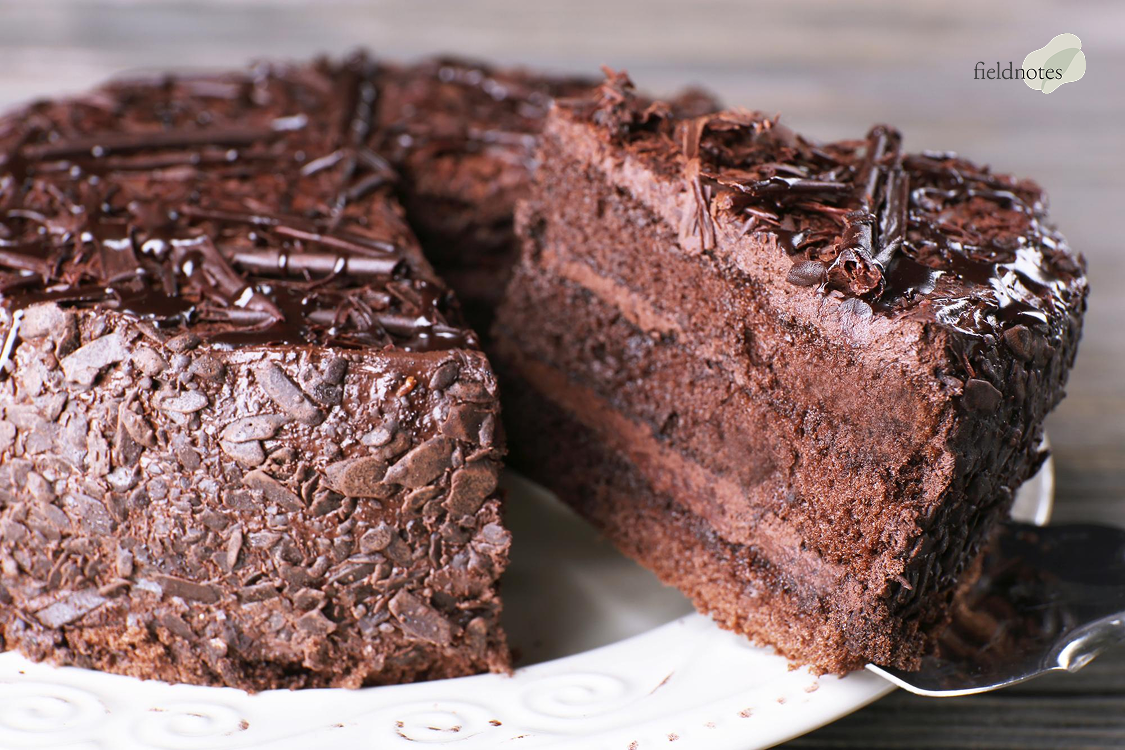
One of the earliest expressions within christmas cake traditions is England’s fruitcake.. Dense with dried fruits, nuts, and warming spices, often matured with spirits, it was historically built for longevity. Imported ingredients once symbolised prosperity, and the cake’s ability to keep through winter reflected preparation and abundance.
The ritual of “feeding” the cake over weeks added anticipation to the season. A traditional xmas cake still carries this symbolism of patience. Its richness speaks of preservation, of holding warmth through colder months.
Resilience in the Caribbean Rum Cake
Across the Caribbean, rum cake reflects histories shaped by migration and trade. Deeply spiced and soaked generously, it represents transformation and endurance. Ingredients tied to colonial economies became celebratory staples shared widely among communities.
These earlier expressions of festive baking leaned toward density and preservation. Yet as climates and tastes changed, so too did the form of celebration.
Why Do Modern Festive Cake Traditions Feel Lighter?
Freshness and Immediate Joy
In Japan, festive celebrations gradually embraced a soft sponge layered with fresh cream and strawberries. Light and airy, it is meant to be enjoyed at its peak rather than matured over weeks. The white cream and red fruit suggest joy and clarity, symbolising celebration in the present moment.
This shift toward freshness reflects contemporary preferences globally. Many families now seek cakes that feel uplifting rather than heavy after a festive meal, favouring brightness, balance, and textures that remain gentle on the palate.
Singapore’s Climate and Contemporary Palate
In Singapore’s humidity, lightness is both aesthetic and practical. Cakes built on airy sponge, natural cream, and fruit purées offer brightness without excess richness. Moisture balance, cream stability, and clean slicing become essential technical considerations in tropical weather.
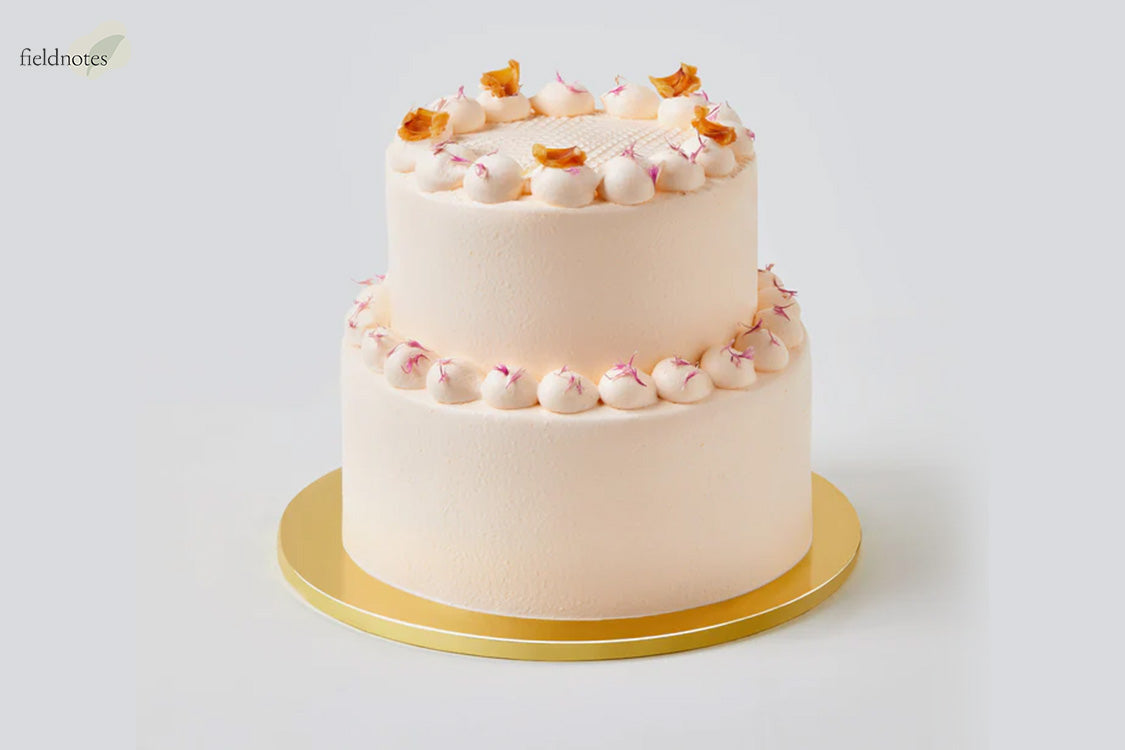
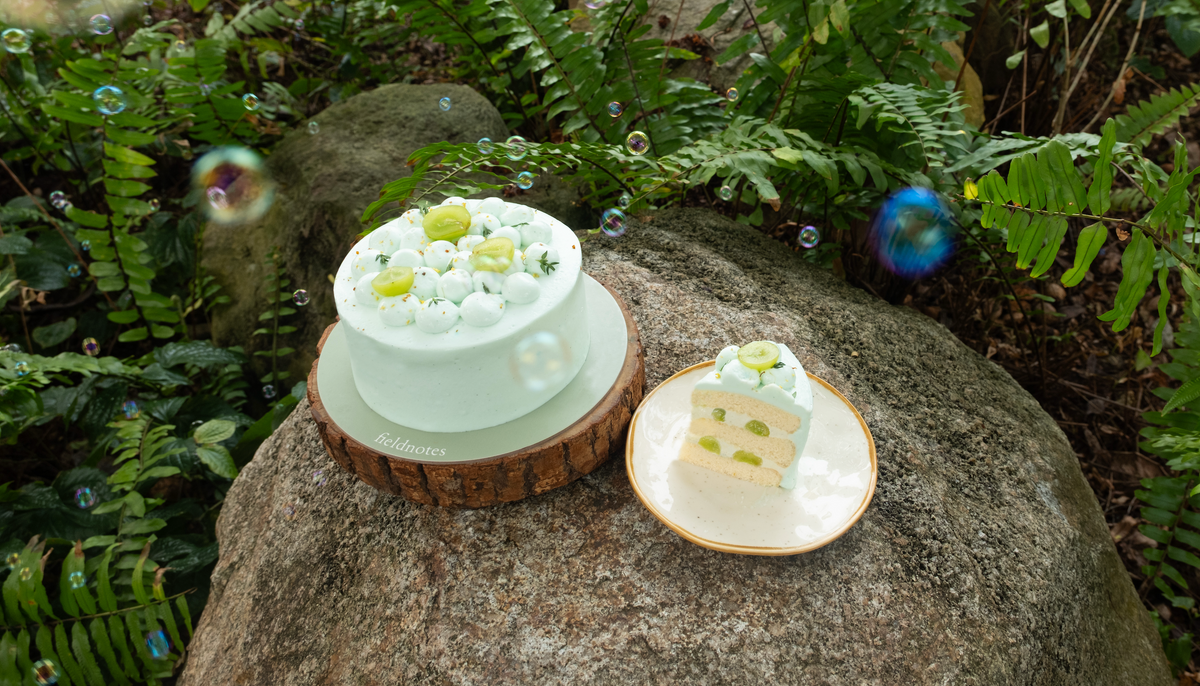
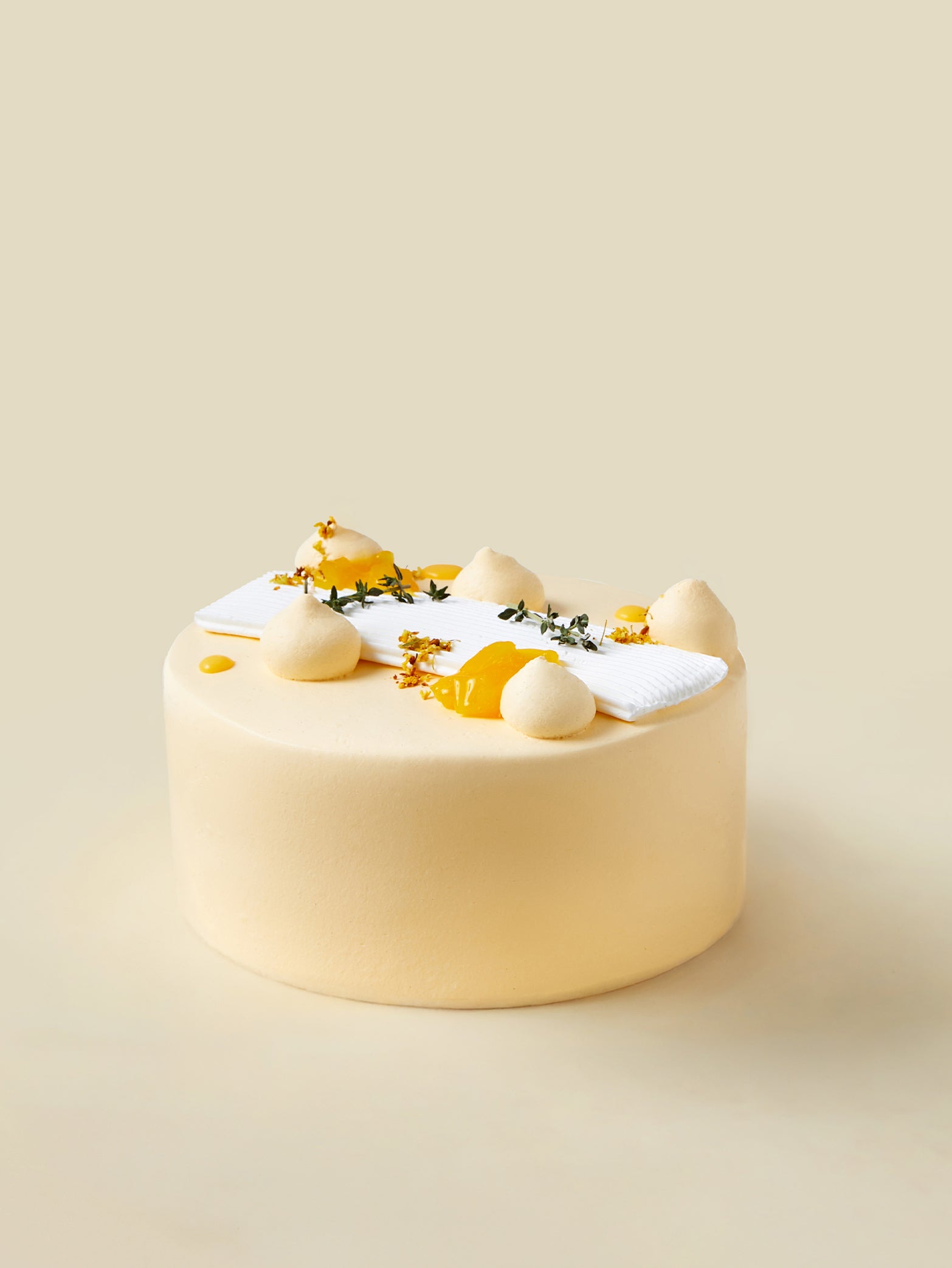
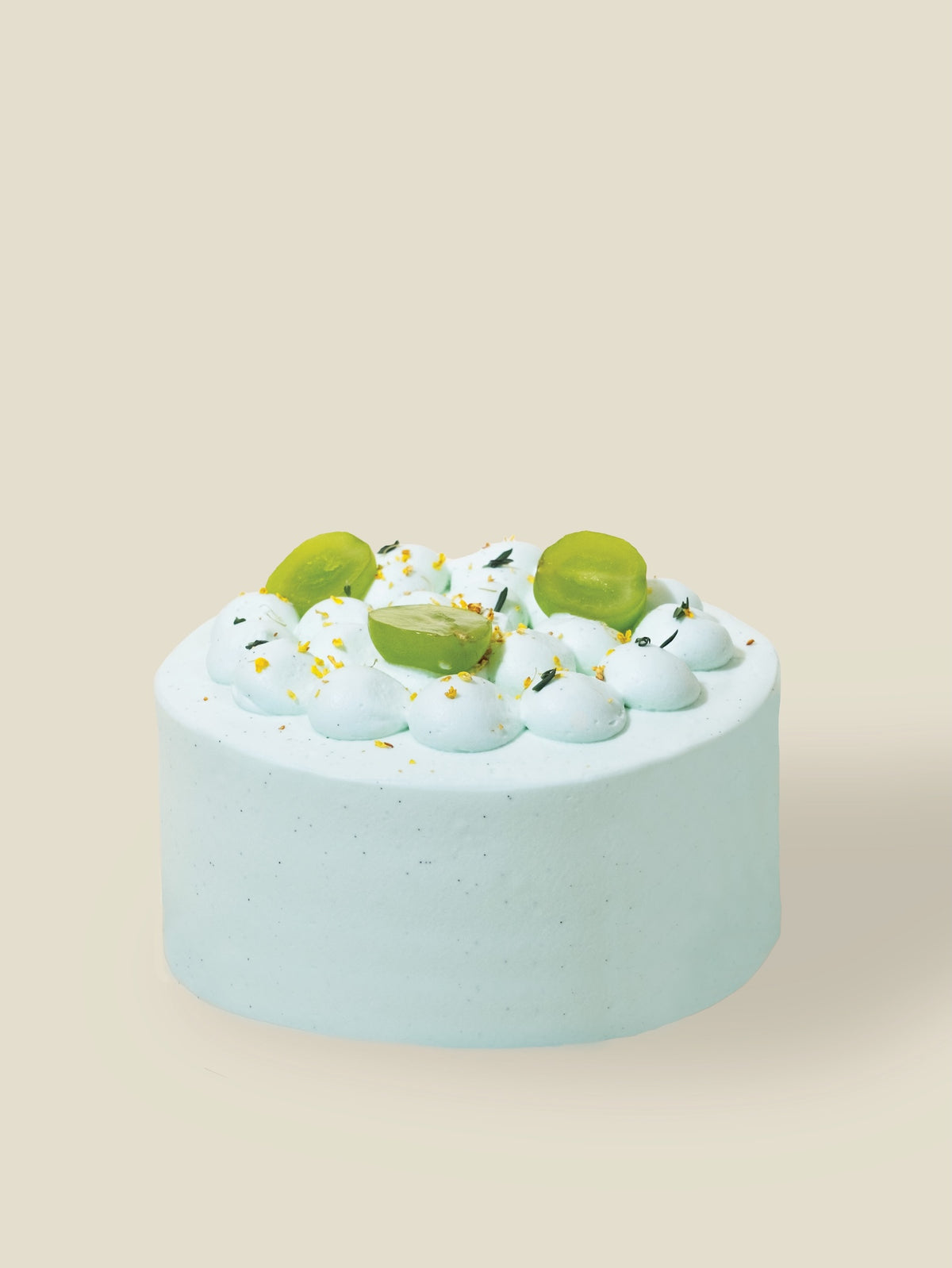
Fieldnotes interprets festive traditions through this refined lens. Their Christmas creations favour soft sponge layered or rolled with real fruit fillings and gently whipped cream rather than dense buttercream. Tropical notes such as yuzu, lychee, mango, and passionfruit feel instinctively suited to Singapore’s multicultural palate.
The studio’s quiet elegance distinguishes its approach. Smooth cream finishes, subtle botanical accents, and restrained colour palettes create a composition that feels calm and intentional. Flavours are balanced to remain expressive yet never overwhelming, allowing natural ingredients to speak clearly. When the cake is unveiled, there is often a brief pause before slicing, the fragrance of citrus zest or fresh cream rising gently in the air.
How Do Log Cakes Reflect Evolving Festive Cake Traditions?
The Yule log remains one of the most recognisable festive cakes today, its origins rooted in European winter symbolism. In Singapore, the tradition of serving a christmas log cake during home gatherings or office celebrations continues to echo that heritage.
The modern interpretation often embraces lighter textures. At Fieldnotes, the log is reimagined with a soft sponge rolled around fruit purée, mousse, or delicately balanced cream. Flavours such as Yuzu White Chocolate, Lychee Rose, and Mango Coconut introduce brightness while retaining the warmth associated with the original form.
The rolled silhouette still evokes gathering around a hearth. Yet its texture and flavour reflect adaptation to climate and contemporary taste. Tradition evolves not by imitation, but by thoughtful reinterpretation.
How Are Christmas Cake Traditions Evolving in Singapore?
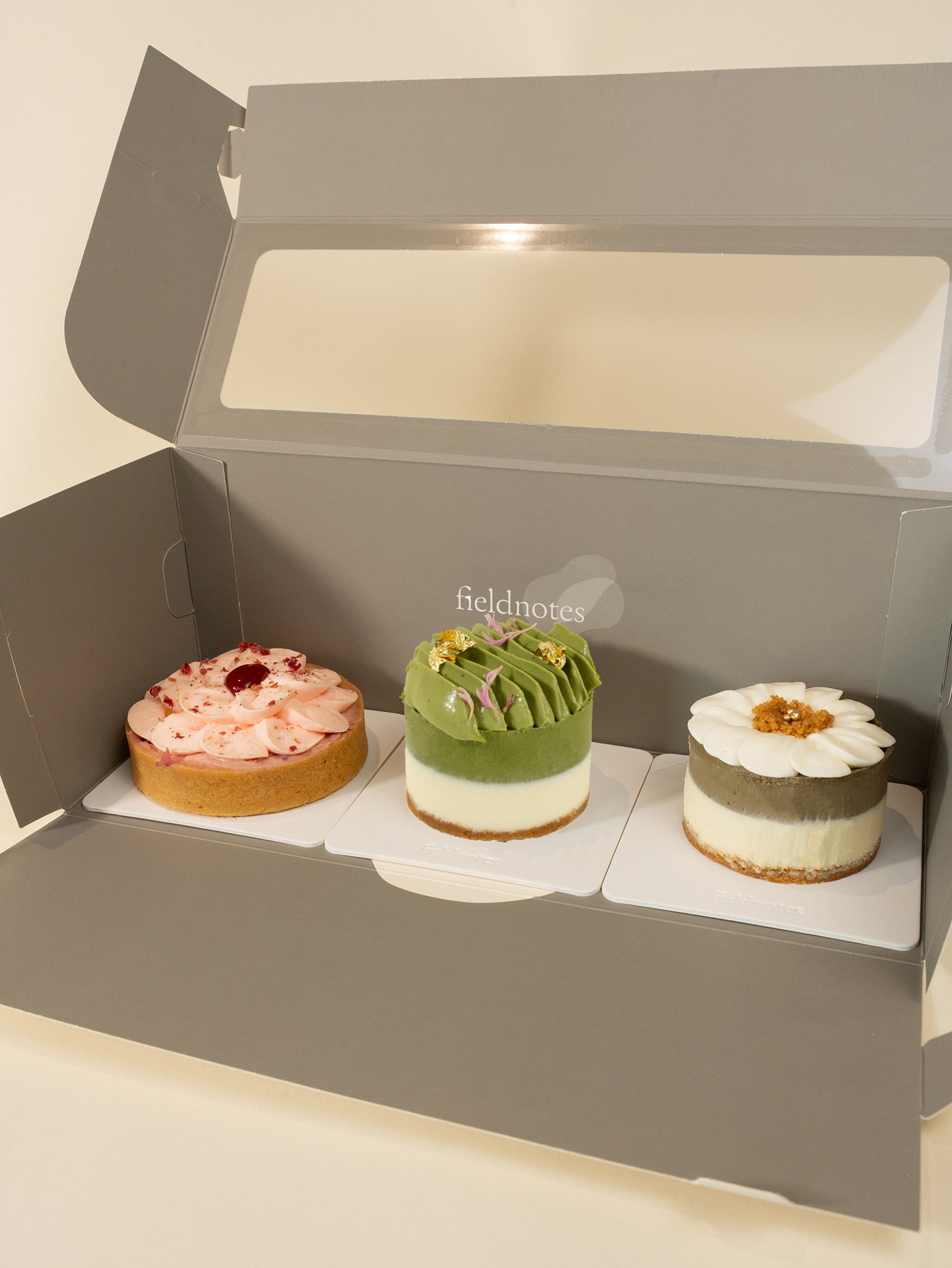
Today, festive cake traditions continue through personalisation and scale. Petite 4-inch cakes and curated slice boxes allow smaller households to celebrate meaningfully without excess. Alongside these formats, the familiar xmas log cake remains a popular centrepiece for year-end gatherings, offering a balance of heritage and modern refinement. These formats also serve as thoughtful year-end gifts, particularly for colleagues or intimate exchanges.
Customisation deepens connection. Handwritten messages, subtle festive toppers, or refined packaging transform a cake into a gesture of appreciation. Corporate clients may include season’s greetings tags, turning each cake into a quiet expression of gratitude.
Freshness remains central. Cakes made daily with real fruit, natural cream, butter, and eggs deliver softness and fragrance that artificial additives cannot replicate. Served within 24 hours and stored carefully in refrigeration, they maintain the clarity and texture intended by the baker.
Historically, festive cakes have evolved alongside local ingredients and the social context in which they are shared.In Singapore, that evolution reflects climate awareness, multicultural influence, and a preference for balanced, fruit-forward compositions over heaviness.
Conclusion
Across cultures, Christmas cake traditions express generosity, resilience, and the desire to gather meaningfully at the close of the year. From matured fruitcakes to airy sponge rolls, each variation reflects what a community values during the festive season.
In Singapore, these traditions continue to shift toward lighter textures, refined design, and natural flavour clarity. Fieldnotes’ Christmas Collection embodies this evolution through made-to-order craftsmanship, tropical fruit pairings, and quietly composed aesthetics.
Begin planning your festive centrepiece early and explore Fieldnotes’ Christmas Collection to secure your preferred design and collection date before the seasonal rush.