

Key Takeaways:
Why do couples include this cake-cutting ritual in their wedding celebration?
-
The tradition traces back to Roman and medieval customs, where shared bread or cake symbolised prosperity, fertility, and the beginning of a shared household.
-
The act itself represents unity and partnership, as two hands guide one motion, turning private vows into a visible gesture before family and friends.
-
Serving slices to guests expresses hospitality and gratitude, transforming a personal promise into a shared moment of celebration.
-
Modern couples may adapt or simplify the ritual, yet many retain it because it provides structure, meaning, and a natural highlight within the reception.
-
When thoughtfully crafted, a bespoke cake shaped through consultation, seasonality, and refined design deepens the symbolism, making the moment feel intentional rather than routine.
Introduction
At nearly every wedding, there is a moment when the room quiets. Conversations soften. Cameras rise. The couple stands together before the cake, fingers gently overlapping around the knife. When they cut their wedding cake, the blade glides slowly through cream and tender crumb, leaving a clean line that draws quiet applause from the room. It is not a dramatic act, yet it carries a deliberate stillness. In that brief pause, the celebration gathers itself.
Couples take part in this ritual to symbolise unity, hospitality, and the first shared act of married life. The gesture transforms private vows into something tangible. Two hands guide one movement. What begins as one whole is gently portioned and offered. Partnership is expressed not through words, but through action witnessed by family and friends.
For couples choosing a bespoke wedding cake in Singapore as the centrepiece of their celebration, that moment carries added meaning. The cake is not merely decorative. It has been shaped through conversation, flavour preferences, and thoughtful design. Its textures, proportions, and finish reflect care. When the knife meets cream and crumb, it meets something crafted intentionally for that day.
The ritual endures because it balances intimacy and community. It is quiet, yet shared. Simple, yet layered. In a single cut, tradition, gratitude, and shared beginnings converge before the room slowly returns to joyful conversation.
Where Did the Tradition of Cutting the Wedding Cake Begin?
Records from Roman weddings describe bread being broken over the bride’s head to symbolise prosperity and fertility. By medieval Europe, sweetened cakes were stacked and shared among guests. Over time, spectacle gave way to refinement. Breaking became slicing. Chaos became coordination.
When couples stand together before the cake and make the first incision, they echo those early customs of division and distribution. The act represents the beginning of shared responsibility. A single cake is transformed into many portions. Unity becomes something tangible.
This continuity across centuries is one reason the ritual still feels instinctive rather than imposed.
What Does Cutting the Wedding Cake Symbolise Today?
Partnership Made Visible
The symbolism lies not only in the cake, but in the motion. Two hands guide one knife. The action requires coordination. It reflects cooperation in a simple, physical way.
When couples perform this gesture together, they demonstrate partnership before their community. It suggests that decisions, challenges, and celebrations ahead will be navigated side by side.
For intimate receptions, a composed two tier cake often feels proportionate and intentional. Its balanced structure mirrors the harmony the ritual represents. Scale becomes secondary to meaning.
Hospitality and Gratitude
Once the couple makes the first slice, portions are served to their guests. The private promise extends outward into generosity.
In Singapore, weddings frequently blend traditions. A tea ceremony may precede a solemnisation. A church blessing may flow into a banquet. This moment often becomes the shared pause that gathers all guests together, regardless of cultural background.
Serving cake expresses gratitude. It acknowledges that marriage is witnessed, supported, and celebrated collectively.
Is Cutting the Wedding Cake Still Necessary?
Modern couples often ask whether the ritual is required. It is not obligatory. Weddings today range from large hotel banquets to smaller registry solemnisation gatherings with close family.
Yet many still choose to include this moment because it provides structure. Traditionally placed after the main course, it signals transition into dessert and celebration. It offers a clear focal point within the evening.
For couples who prefer to skip the public gesture, the cake may remain a centrepiece admired rather than ceremonially sliced. The symbolism of sharing can be honoured privately. However, performing the ritual before gathered guests adds a layer of communal recognition that many find meaningful.
Why Do Couples Feed Each Other Cake?
After the first slice is made, couples often exchange a small bite. Historically, this gesture symbolised mutual care and provision. Each partner demonstrates a willingness to nourish and support the other.
Today, the tone varies. Some couples maintain quiet composure. Others share gentle laughter. The act extends the symbolism of partnership into tenderness, transforming a public ritual into an intimate moment.
How Does Craft Shape the Experience?
Flavour as Reflection of Identity
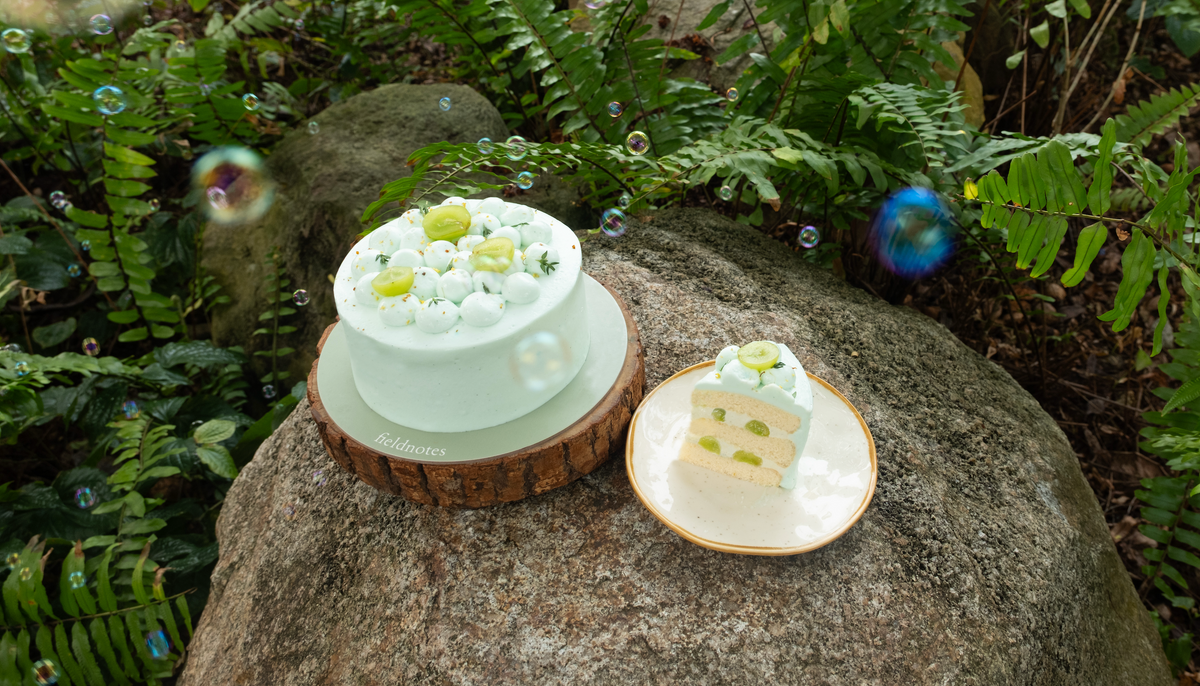
The meaning of the ritual is deepened by what is being sliced. Couples often select flavours that reflect shared preferences rather than convention. Balanced sweetness, seasonal fruit, and restrained finishes create a cake that feels aligned with their aesthetic.
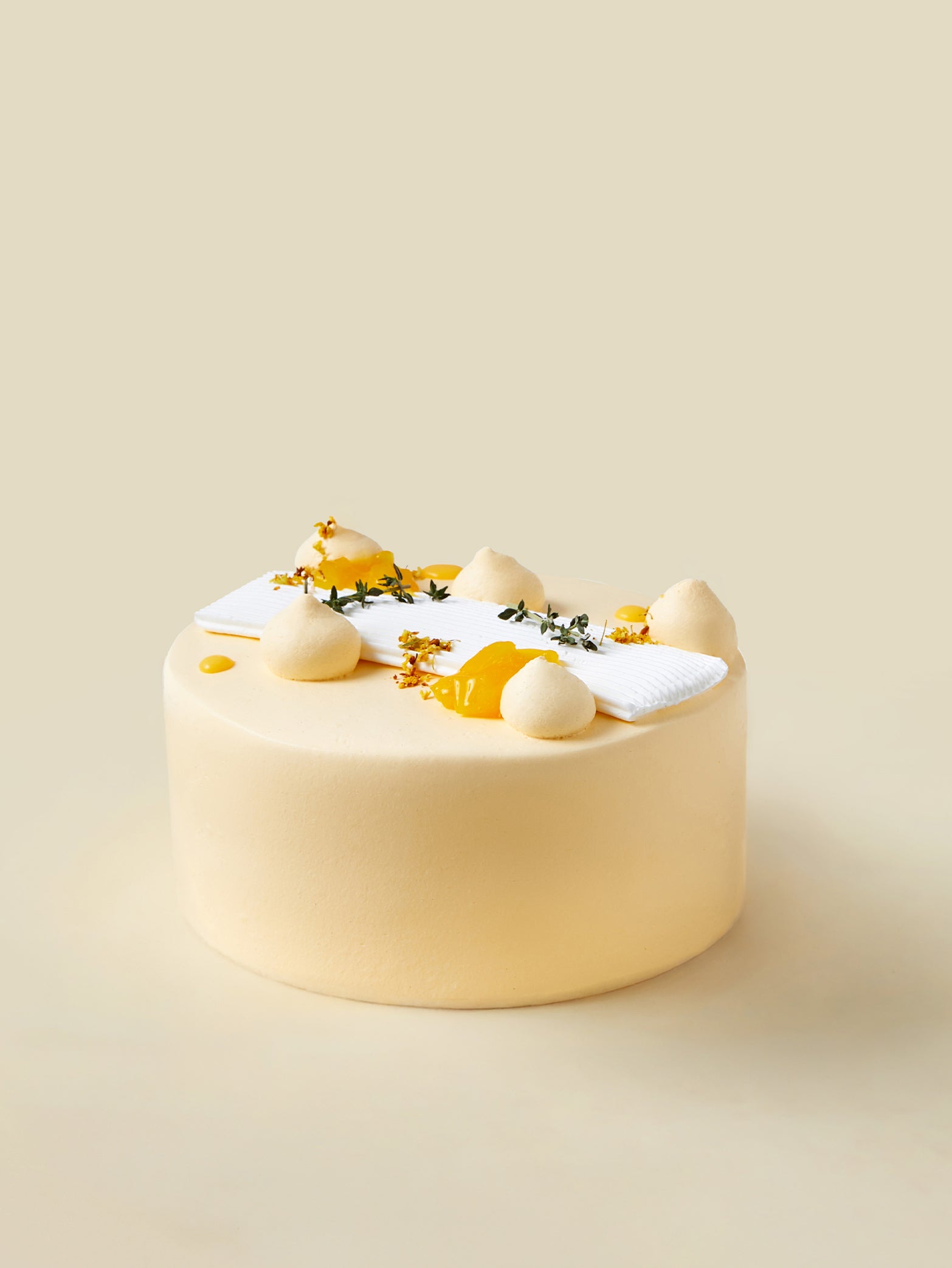
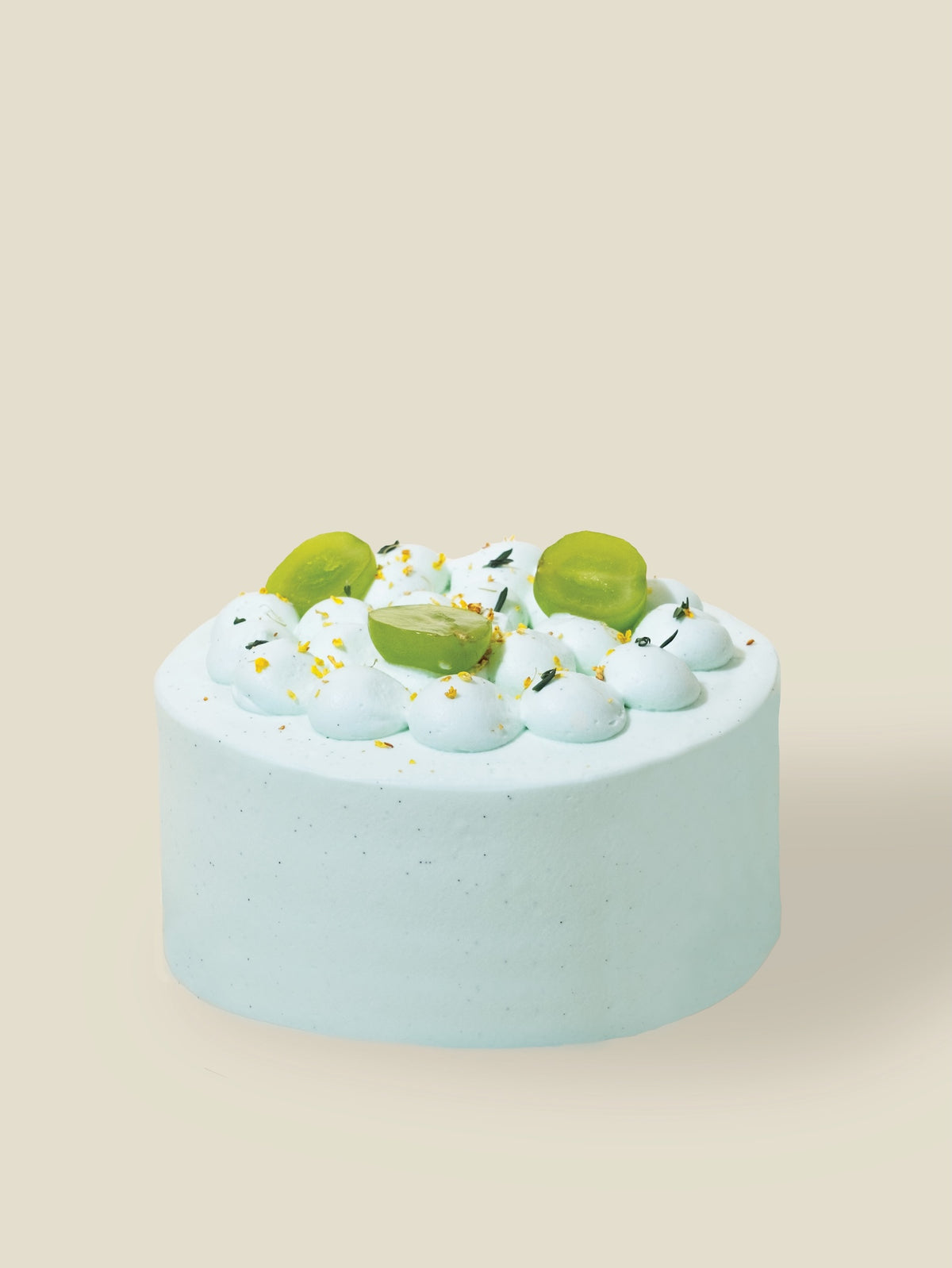
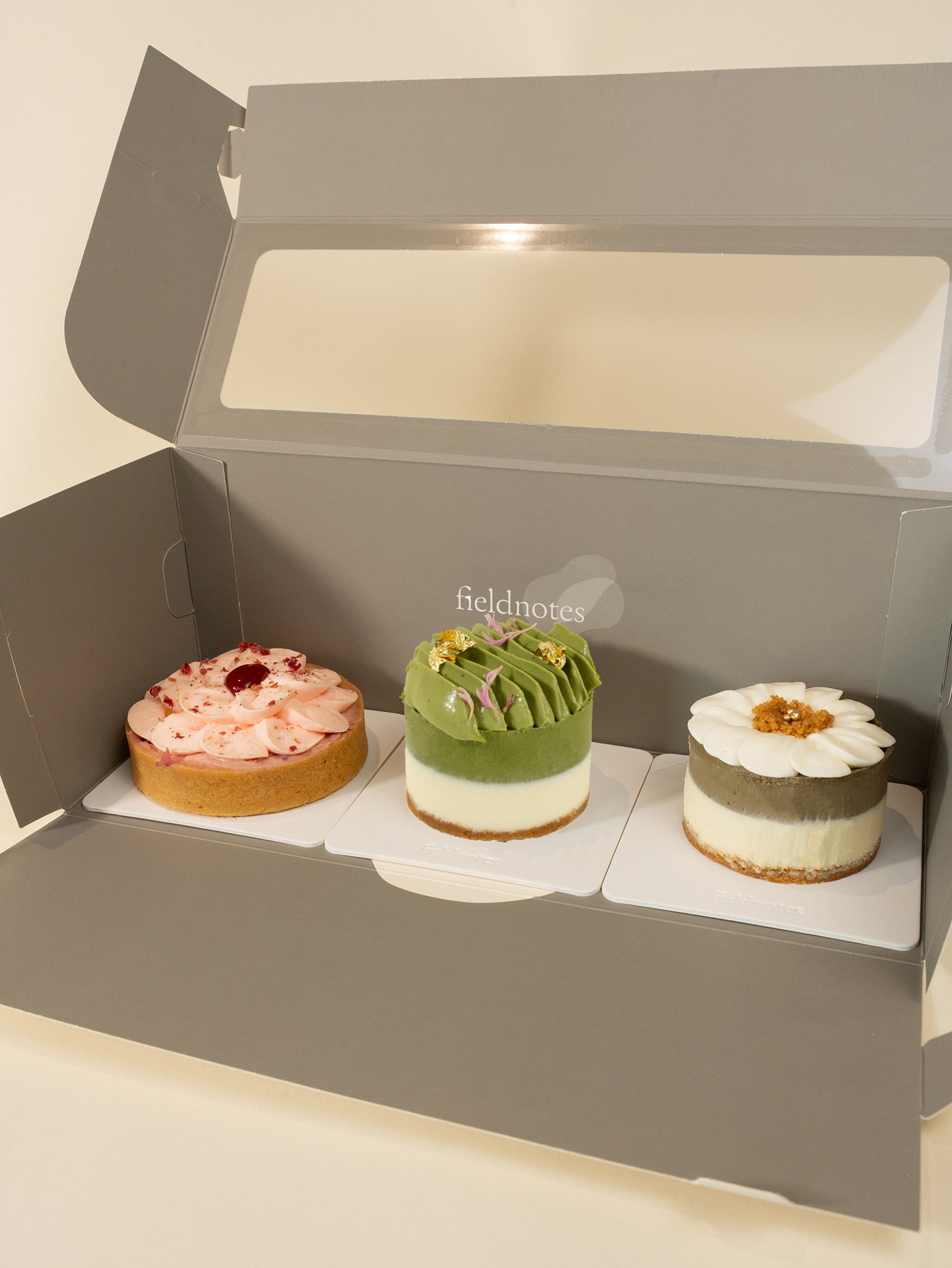
At Fieldnotes, each wedding cake is made to order. Consultations focus on seasonality, texture, and flavour layering rather than excessive ornamentation. The crumb remains tender. Sweetness is measured. Surfaces are natural and composed.
When the ceremonial slice is made, the couple presents something thoughtfully crafted. Harmony in flavour mirrors harmony in partnership. Restraint reflects confidence. Fresh ingredients suggest renewal.
Couples familiar with Fieldnotes’ refined occasion cakes often recognise the same craft-led philosophy carried into wedding designs.
Custom Design Over Convention
Not all wedding cakes are created with equal intention. Banquet-supplied cakes may fulfil function, yet a custom creation allows the design to reflect the couple’s story.
Through conversation and tasting, details are shaped collaboratively. Proportion is considered in relation to venue size. Finish is aligned with floral styling. The result is not mass-produced, but composed.
Food has long marked life transitions, as seen in documented wedding customs. A handcrafted cake continues that lineage with care.
Why Does the Tradition Endure?
The reason couples continue to cut their wedding cake lies in its balance of continuity and adaptability. Parents recognise the ritual. Younger guests anticipate it. It requires no explanation, yet it allows personal interpretation.
Most importantly, it turns symbolism into action. A single centrepiece is gently portioned and offered. A private promise unfolds into a shared celebration.
Conclusion
Just before the ceremonial slice, the room grows still. The knife rests lightly against cream and crumb. In that pause, history, partnership, gratitude, and joy quietly converge.
The ritual endures because it is simple, visible, and sincere. It honours tradition while allowing each couple to shape the moment in their own way.
For couples seeking a bespoke cake shaped through thoughtful consultation, seasonal ingredients, and refined craft, Fieldnotes creates wedding cakes designed around shared taste and quiet elegance.
Explore Fieldnotes’ wedding creations and begin shaping a centrepiece worthy of that first shared gesture.