

Key Takeaways:
What Can We Learn from the History of Birthday Cakes?
- The history of birthday cakes dates back to ancient Greece and Rome, where early cakes were part of religious offerings and celebratory rituals.
- European influence during the Middle Ages transformed simple breads into sweet, decorative cakes used for personal celebrations.
- The German Kinderfest tradition introduced candles, symbolising light, hope, and wishes, a custom still practised today.
- Over time, industrialisation and creativity shaped the evolution of cakes, giving rise to modern designs and diverse flavours.
- Today, birthday cakes represent connection, care, and joy, a timeless ritual that continues to bring people together across cultures.
Introduction
A birthday cake feels so natural to us now that it’s hard to imagine a celebration without one. Candles flicker, voices rise in song, and the first slice is often shared with laughter and love. Yet this tradition, as ordinary as it may seem, has roots that stretch back centuries, shaped by ancient rituals, evolving customs, and global influences. To understand the history of birthday cakes, we can trace their journey from sacred offerings to the sweet centrepieces we know today.
How Did the Tradition of Birthday Cakes Begin?
The history of birthday cakes begins long before frosting and sprinkles entered the picture. In ancient Greece, round cakes made of honey and flour were offered to Artemis, the goddess of the moon. The round shape symbolised the moon itself, while candles were added to mimic its glowing light, a connection that still lingers today.
The Romans also played their part in shaping the origin of birthday cakes. They baked simple, sweetened breads to honour birthdays of family members or friends, especially during grand public festivals. These early forms of cakes were less about indulgence and more about expressing gratitude and marking life’s milestones.
How Did Cakes Become Personalised for Birthdays?
By the Middle Ages, cakes had transformed dramatically. As sugar, butter, and exotic spices became available in Europe, bakers began creating richer, more flavourful treats. Unlike the communal breads of earlier eras, these were personal and celebratory, reserved for weddings, feasts, and birthdays of the wealthy.
In Germany, the history of birthday traditions evolved further through a custom known as Kinderfest. This 18th-century celebration for children featured a cake adorned with candles,one for each year of life, plus an extra for good luck. This practice gave rise to the familiar sight of a candlelit cake surrounded by friends and family singing wishes into the air.
Why Do We Use Candles on Cakes?
The idea of placing candles on birthday cakes carries symbolic weight. Originating from those early Greek offerings to Artemis, candles came to represent the flame of life, hope, and spiritual protection. Blowing them out while making a wish became a way to channel those hopes into the year ahead.
This simple act of lighting, blowing, and wishing reflects humanity’s desire to mark time meaningfully. Even now, when someone closes their eyes over a glowing cake, they are part of a tradition that’s thousands of years old, a ritual of joy that transcends cultures and continues to define the history of birthday cakes as a celebration of life itself.
How Have Birthday Cakes Evolved Over Time?
With industrialisation in the 19th and 20th centuries, baking ingredients like flour, sugar, and eggs became widely accessible. What was once a luxury reserved for nobles became an everyday household delight. Families began baking cakes at home, and each generation added its own flair, flavours, colours, and designs that reflected personal taste and celebration style.
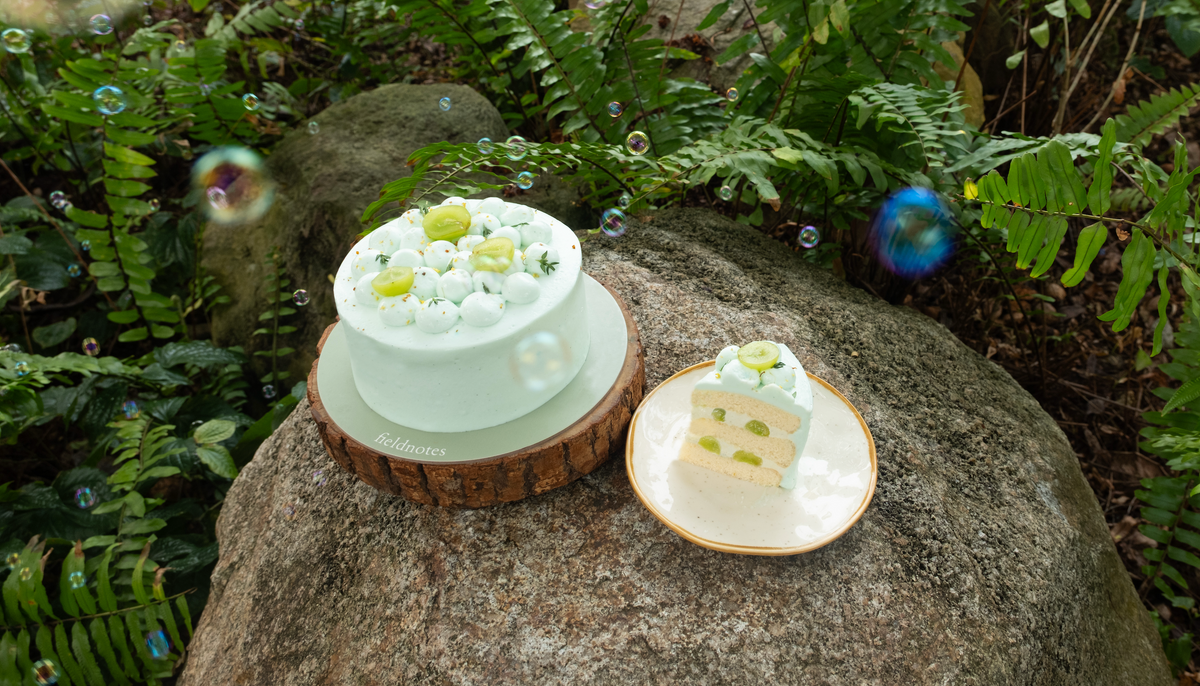
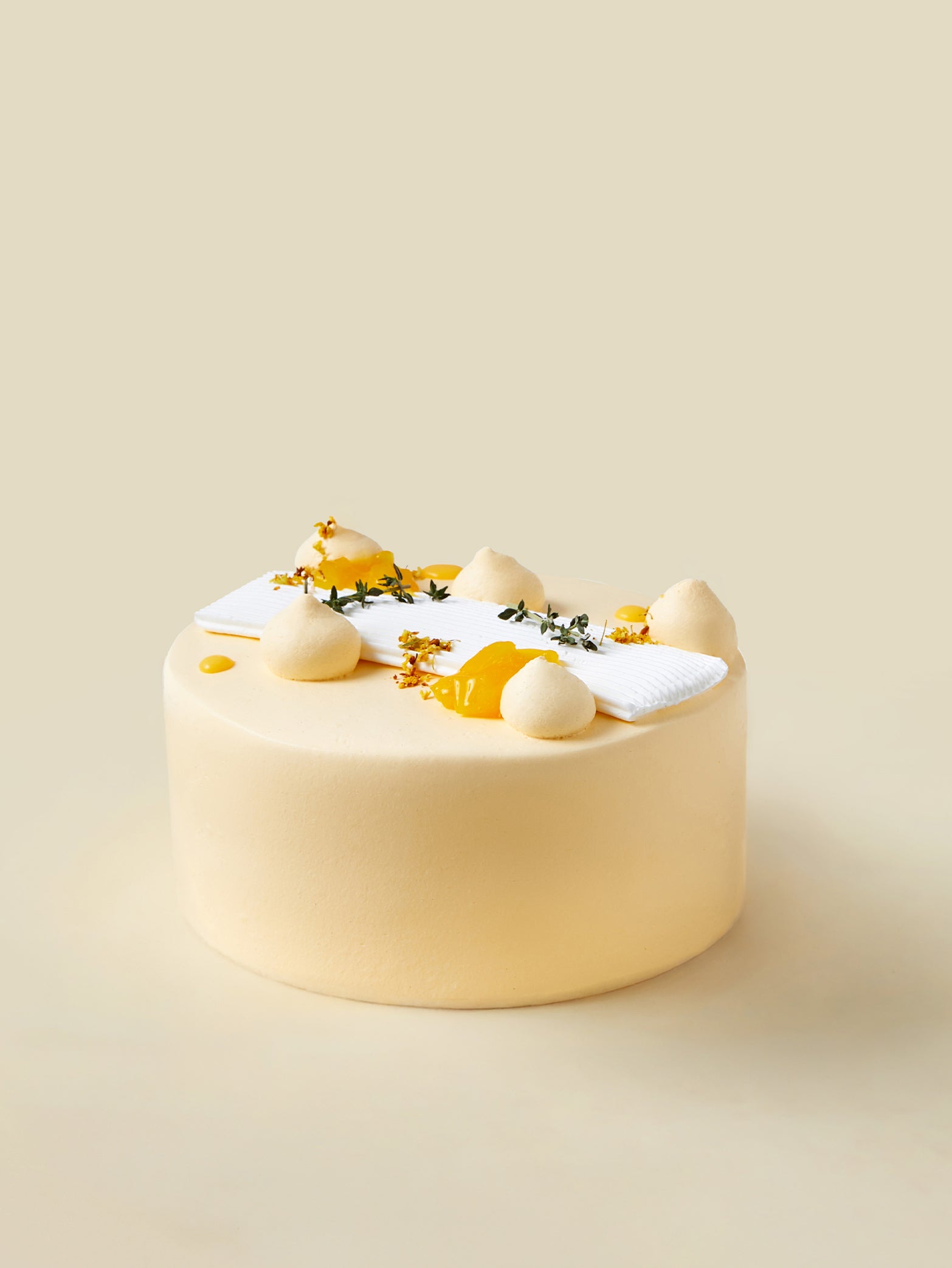
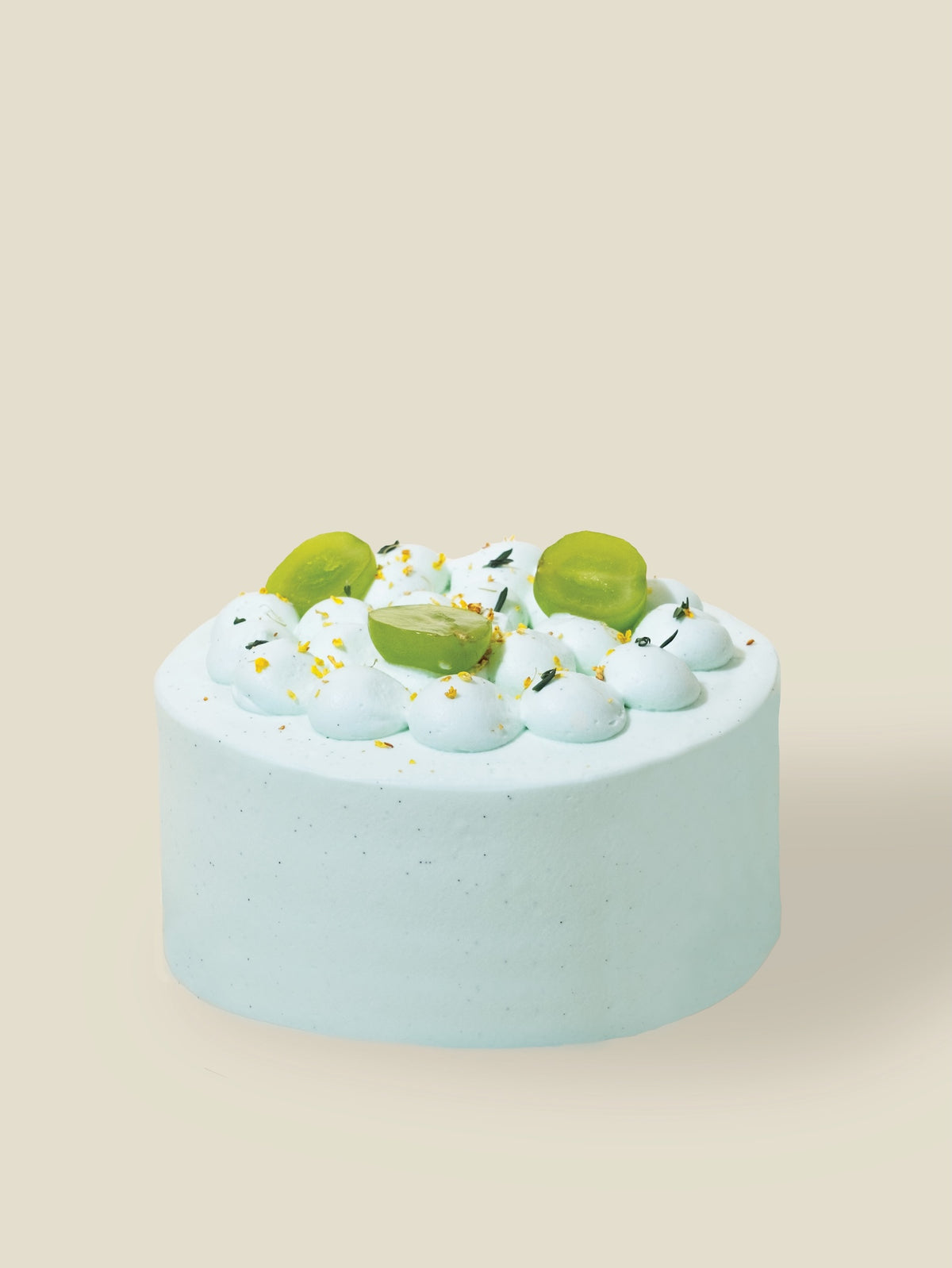
In Singapore and around the world today, cakes have become true works of art. From minimalist designs to bold sculpted creations, each cake reflects personality and creativity. For bakeries like Fieldnotes, this evolution continues through thoughtfully designed birthday cakes that balance aesthetic beauty with flavour craftsmanship.
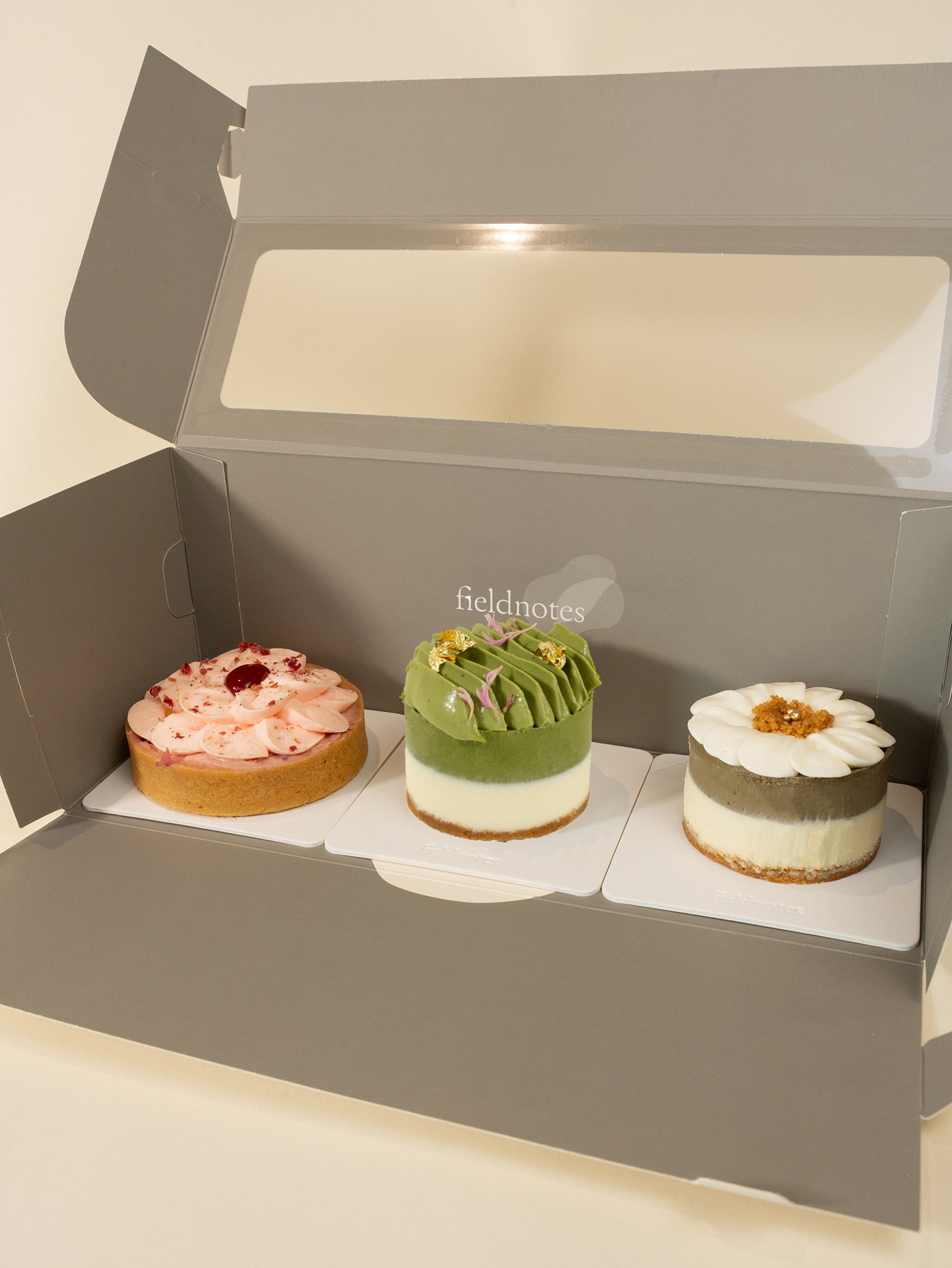
Beyond design, modern bakers are also redefining taste through an ever-growing range of flavour cakes, from matcha and earl grey to yuzu and dark chocolate. Each variation tells a story of creativity and local inspiration, turning every celebration into a multisensory experience that connects both heart and palate.
This creative journey mirrors the evolution of birthday celebrations themselves, from intimate family gatherings to elaborate themed parties, each moment anchored by the joy of sharing a slice of sweetness together.
What Makes Birthday Cakes So Meaningful Today?
Beyond sugar and butter, the cultural significance of birthday cakes lies in their power to gather people. A cake marks time, not just another year older, but another year shared with loved ones. Whether simple or grand, each slice carries memories, laughter, and love.
As celebrations evolve, so do the cakes that accompany them. Some lean toward nostalgia with classic vanilla or chocolate; others experiment with local flavours and elegant textures. For those seeking inspiration, exploring a birthday cake shop that specialises in different flavour cakes allows every celebration to tell a personal story through taste and design.
Conclusion
The journey of the history of birthday cakes mirrors the story of humanity itself, one of creativity, connection, and celebration. From ancient offerings to divine figures to today’s custom masterpieces, cakes have always symbolised care and community.
Celebrate your own story with a cake from Fieldnotes. Whether you’re marking a milestone or simply sharing sweetness with loved ones, our handcrafted creations bring thoughtful design and honest flavour to every occasion. Explore our range of birthday cakes and flavour cakes made to make every celebration beautifully memorable.