






Key Takeaways:
Why Do We Experience Sweet Cravings So Deeply?
- Our brains link sweetness to pleasure and reward, making desserts instantly satisfying.
- Sweet cravings are shaped by both biology and emotion, tied to dopamine release and happy memories.
- Childhood treats and family celebrations build a lifelong emotional bond with desserts.
- Across cultures, sweet foods symbolise joy, unity, and togetherness.
- Mindful indulgence turns desserts from a daily habit into meaningful moments of comfort and celebration.
Introduction
Few things light up our senses the way a bite of dessert does, the first crunch of a cookie, the smooth melt of chocolate, or the soft sweetness of cake shared with friends. But why do we long for sugar in moments of joy, stress, or even routine comfort? Sweet cravings aren’t only about taste; they’re shaped by biology, culture, and the memories we carry. In this article, we’ll explore the psychology behind our love for desserts, uncovering the science, symbolism, and emotions that make them so irresistible.
What Happens in Our Brains When We Crave Something Sweet?
When we eat something sugary, our brain releases dopamine, a neurotransmitter linked to pleasure and reward. This is why that first spoonful of ice cream or bite of cake feels instantly uplifting. Our bodies are wired to seek energy-dense foods, and sugar provides a quick source of fuel. This psychology of sugar cravings helps explain why desserts have an almost magnetic pull; they’re biologically designed to make us feel good.
Even today, when desserts are abundant, that ancient response still lingers. A slice of cake from your favourite bakery cake shop isn’t just a treat, it’s a mini celebration coded in our DNA.These moments of indulgence show how sweet cravings are closely tied to our brain’s instinctive search for comfort and reward.
Why Do Sweets Feel So Emotionally Comforting?
Our relationship with desserts often begins in childhood. Think of birthday cakes, festive cookies, or after-dinner ice cream, each memory layers sweetness with affection, safety, and joy. This emotional connection to desserts turns them into symbols of comfort and nostalgia.
When you bite into a familiar pastry, you’re not just tasting sugar; you’re reliving moments of warmth and togetherness. That’s why treats like chocolate brownies often feel like a hug from the past; simple, familiar, and satisfying.
Is There a Cultural Meaning Behind Sweet Foods?
Across the world, sweetness symbolises joy and good fortune. In Singapore, desserts are central to festivals and family gatherings, from pineapple tarts at Chinese New Year to pandan cakes at birthdays. This cultural meaning of sweet foods connects sweetness to prosperity, unity, and love.
Cakes, pastries, and confections often serve as edible expressions of care. Whether it’s gifting a cake to a friend or sharing pastries and cakes during a celebration, these rituals remind us that sweetness belongs not just to taste, but to shared experience. It’s also why sweet cravings often resurface during meaningful social moments, our minds link sugar to connection and celebration.
Why Do We Turn to Desserts in Times of Stress?
During stressful moments, many people naturally gravitate towards desserts. This link between comfort food and cravings is both psychological and physiological. Sugar temporarily lowers the stress hormone cortisol, helping us feel calmer and more balanced.
More than that, sweet treats offer a sense of routine and control in uncertain times. Enjoying a small dessert becomes a mindful act, a way to pause, reflect, and indulge in something familiar when everything else feels unpredictable.
How Can We Enjoy Sweet Cravings Mindfully?
Rather than resisting our sweet cravings, balance is key. When enjoyed in moderation, desserts can enhance happiness without guilt. Savouring them slowly helps you tune into texture, aroma, and flavour, turning indulgence into an experience rather than a reflex.
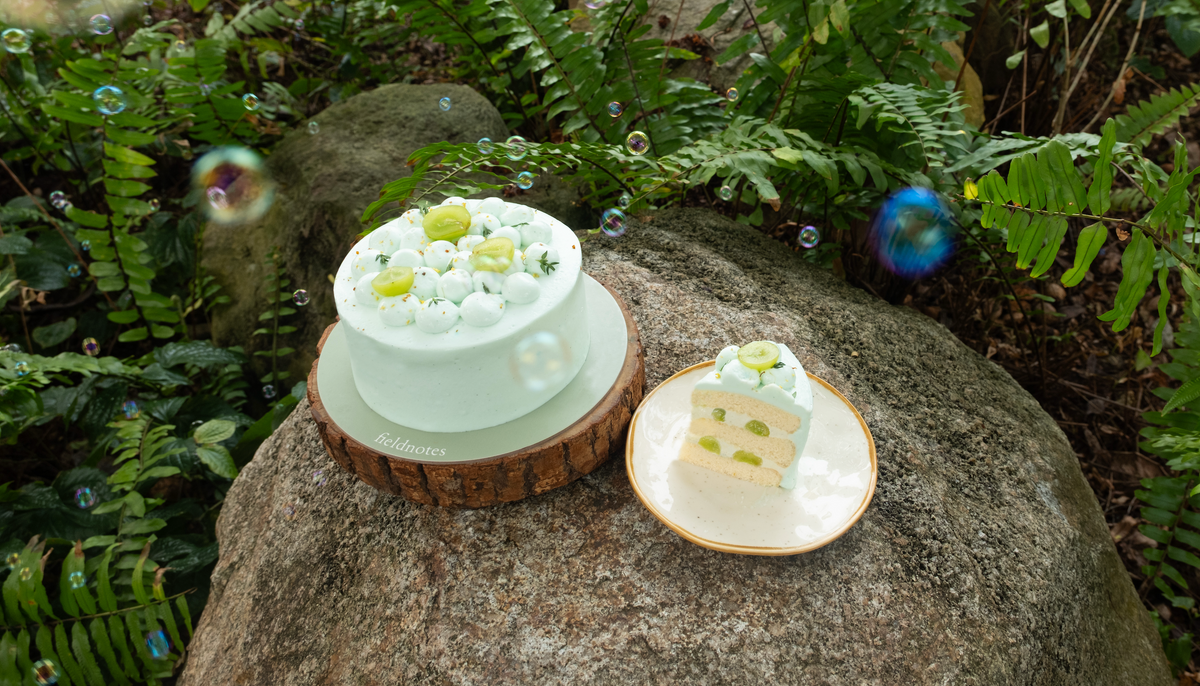
At Fieldnotes, each handcrafted creation is designed for these mindful moments, from beautifully layered flavour cakes made for sharing to thoughtful designs that celebrate life’s little joys. When sweetness is enjoyed intentionally, it transforms from habit into joy.
Conclusion
Our love for desserts blends biology, psychology, and culture into one universal experience. From dopamine-driven pleasure to nostalgic comfort, every dessert tells a story about who we are and what we cherish.
Whether you’re celebrating milestones or seeking small comforts, desserts offer a reminder that sweetness is part of what makes life beautiful.
Explore the flavours that make each moment special at Fieldnotes!