

Key Takeaways:
What should couples know about the history of wedding cakes?
-
Wedding cakes began as simple grain shared in ancient rituals, symbolising fertility and prosperity.
-
Medieval celebrations introduced stacked sweet buns, blending spectacle with tradition.
-
Early modern and Victorian designs added preservation, elegance, and architectural form to cakes.
-
Modern cakes emphasise lighter textures, balanced sweetness, and refined aesthetics.
-
Contemporary creations adapt to venue, climate, and guest experience while honouring tradition.
-
Skilled bakers craft cakes thoughtfully, ensuring proportion, seasonal sensibility, and meaningful presentation for celebrations.
Introduction
The history of wedding cakes begins far from the polished tiers we recognise today. What now stands as a sculpted centrepiece once began as grain, offered and shared in ritual. Across centuries, symbolism, preservation, sugar craft, and changing tastes reshaped its form. The cake evolved from sustenance to ceremony, from communal bread to architectural tier.
This evolution brings clarity to modern wedding decisions. A cake is not simply styled for photographs. It represents continuity, shared intention, and the act of beginning together. Each refinement over time has left an imprint on how couples choose, design, and experience their wedding cake today.
How Did Wedding Cakes Begin?
Grain and Early Ritual
In Ancient Rome, a simple wheat cake was broken over the bride’s head to symbolise fertility and prosperity. Guests gathered crumbs as blessings. These early cakes resembled bread rather than dessert. Their meaning lay in ritual rather than indulgence.
This moment forms one of the earliest chapters in the history of wedding cakes, where food marked transition and community. Sharing grain acknowledged the forming of a household, grounding celebration in sustenance.
Medieval Stacking and Display
By the Middle Ages, sweetened buns and spiced confections appeared at weddings. Guests stacked them high, creating towers that the couple would attempt to kiss across. Height became aspirational. The celebration grew more theatrical.
This practice laid the groundwork for the origins of tiered wedding cakes, where structure began to express status and spectacle alongside symbolism.
Why Did Fruitcake and White Icing Shape the Modern Form?
Preservation and Prosperity
In early modern England, dense fruitcakes soaked in spirits became wedding staples. Their durability symbolised endurance. Dried fruits were costly, representing abundance and stability within marriage.
The history of wedding cakes during this era reflects a shift towards longevity. A cake that could be kept, shared later, or preserved for future milestones reinforced the idea that marriage itself was meant to endure.
Victorian Elegance and Sugar Craft
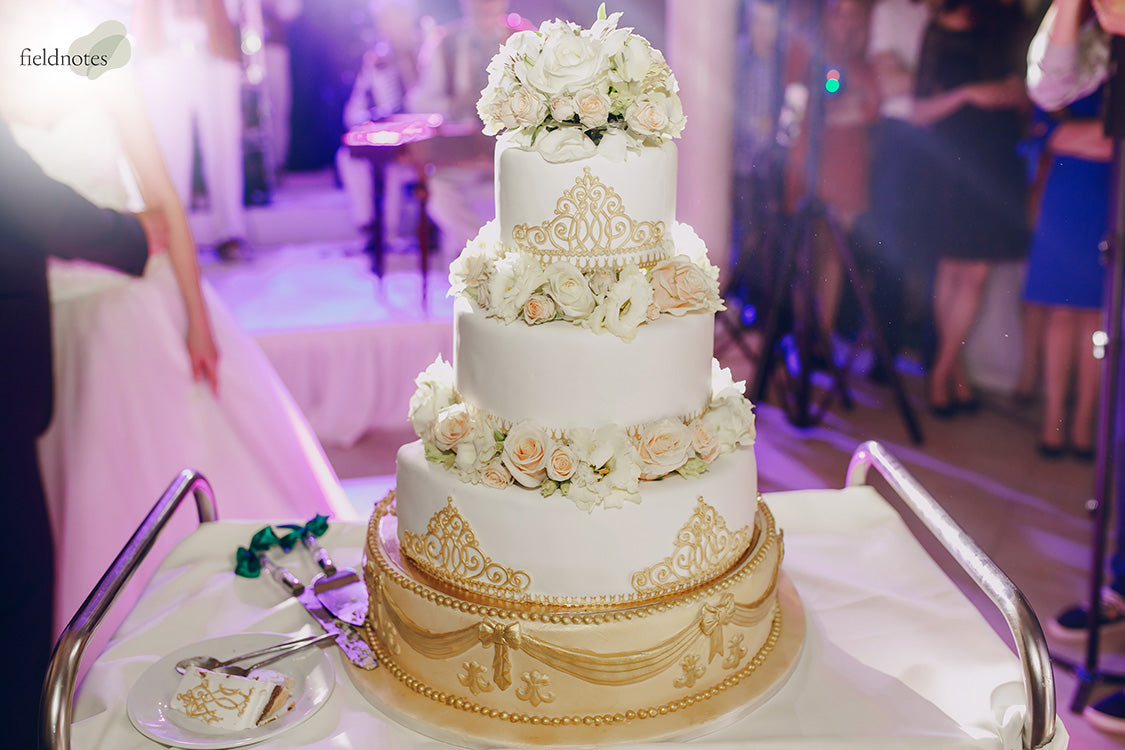
The nineteenth century introduced refined white sugar, allowing smooth icing finishes and intricate decoration. Queen Victoria’s 1840 wedding cake helped popularise stacked tiers and ornamental detail.
Technical improvements in baking and internal supports made taller cakes possible. The evolution of wedding cake design was shaped not only by aesthetics, but by improved control of heat, structure, and sugar stability.
How Did Flavour and Form Evolve?
As refrigeration and ingredient access improved, cakes grew lighter. Dense fruitcake gradually gave way to softer sponge-based structures. Texture and balance became central considerations.
The history of wedding cakes reflects this sensory shift. Modern cakes often favour a delicate crumb that feels tender when sliced, buttercream that yields smoothly beneath the knife, and sweetness that complements rather than overwhelms. Celebration moved from preservation to immediacy, from heaviness to refinement.
For couples today, this evolution matters. Guest comfort, reception length, and climate all influence flavour choice. A cake must hold structure while remaining pleasurable to eat, balancing visual presence with sensory experience.
How Has the Wedding Cake Adapted in Singapore?
Singapore’s wedding landscape blends multicultural heritage with contemporary design sensibility. Climate influences execution. Humidity requires careful structural planning and icing stability. A cake must be designed not only for beauty, but for resilience within the environment.
Couples searching for a wedding cake in Singapore often look for thoughtful adaptation to local venues, whether intimate solemnisation spaces or larger banquet halls. Proportion must suit the setting. Scale must feel intentional.
The global tiered form has been embraced locally, yet interpretation remains personal. Weddings here often merge heritage elements with modern minimalism, resulting in cakes that feel understated rather than ornate.
Why Does Proportion Matter in Modern Celebrations?
Celebrations today often favour intimacy. Smaller guest lists encourage balance over grandeur. A carefully proportioned two tier cake can offer visual presence without excess, aligning with contemporary gatherings that prioritise closeness and conversation.
Height is no longer synonymous with significance. Restraint communicates refinement. A well-balanced structure can feel more considered than a towering scale.
How Does Craft Continue Beyond the Wedding Day?
The tradition of marking milestones with sweetness extends beyond marriage. Thoughtfully composed occasion cakes continue this lineage, honouring anniversaries and significant moments through shared slices.
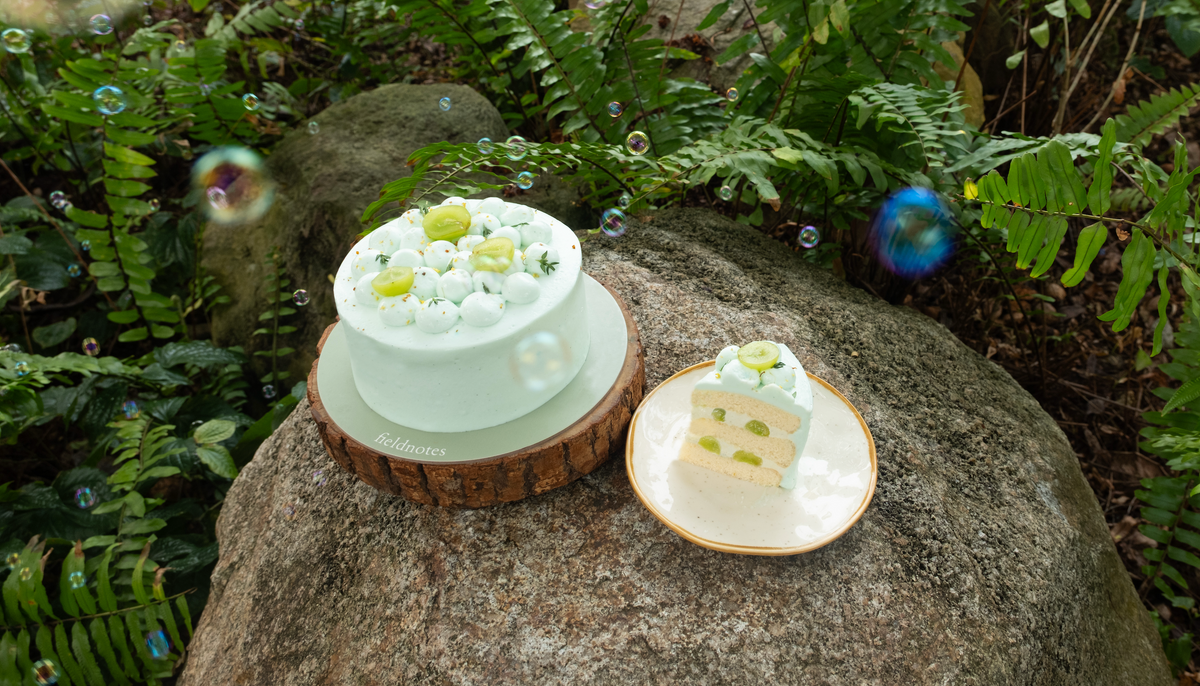
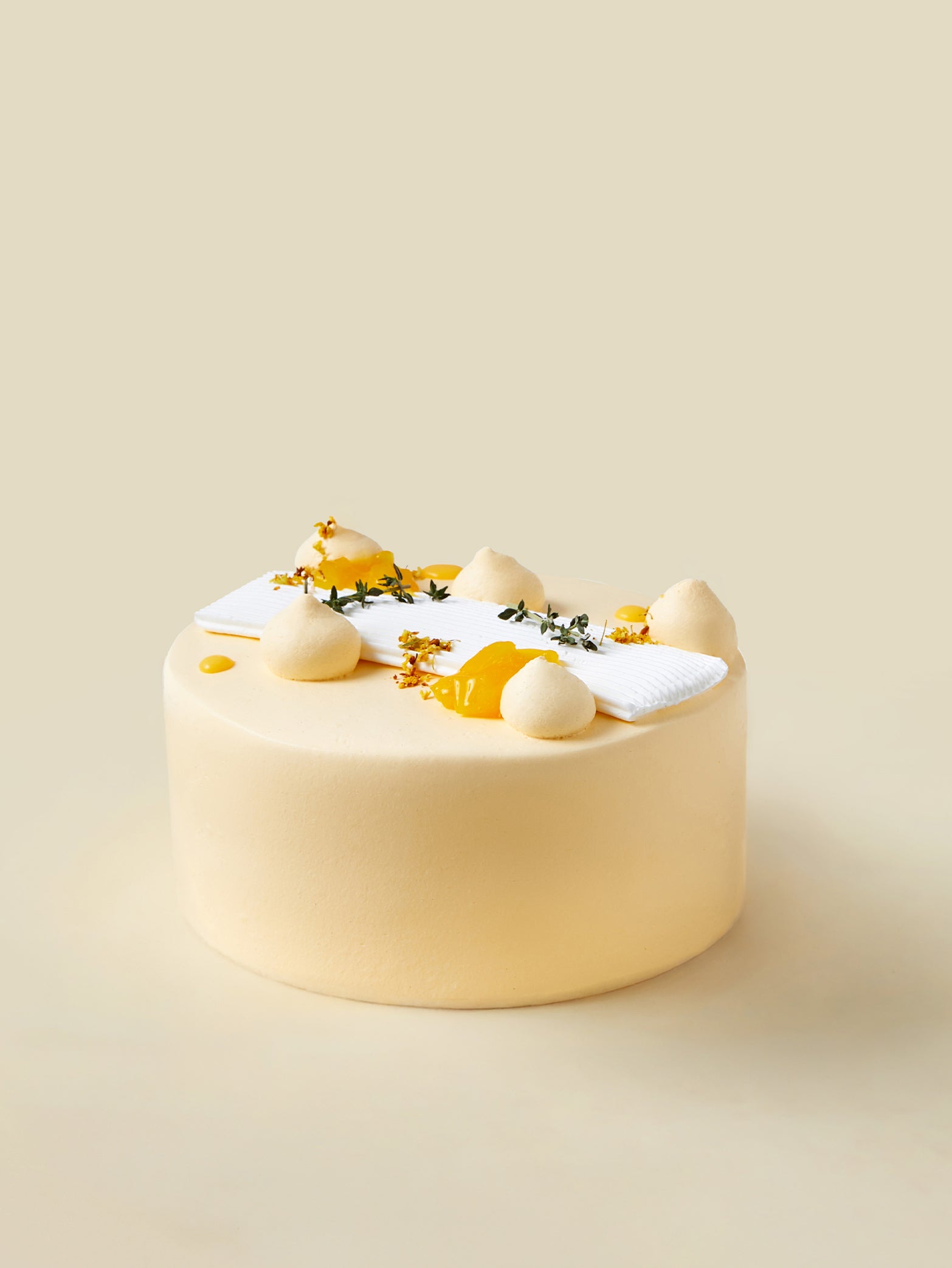
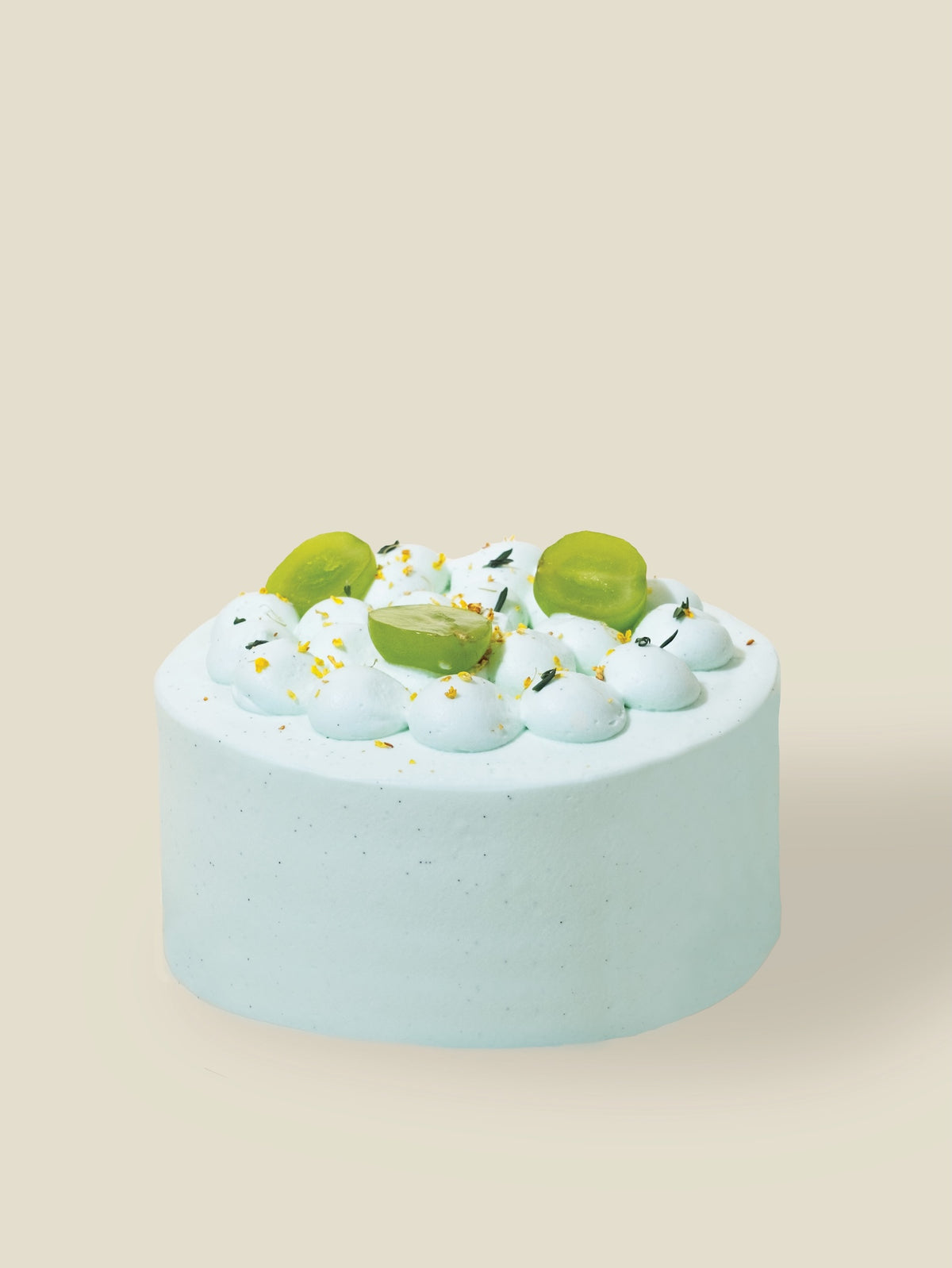
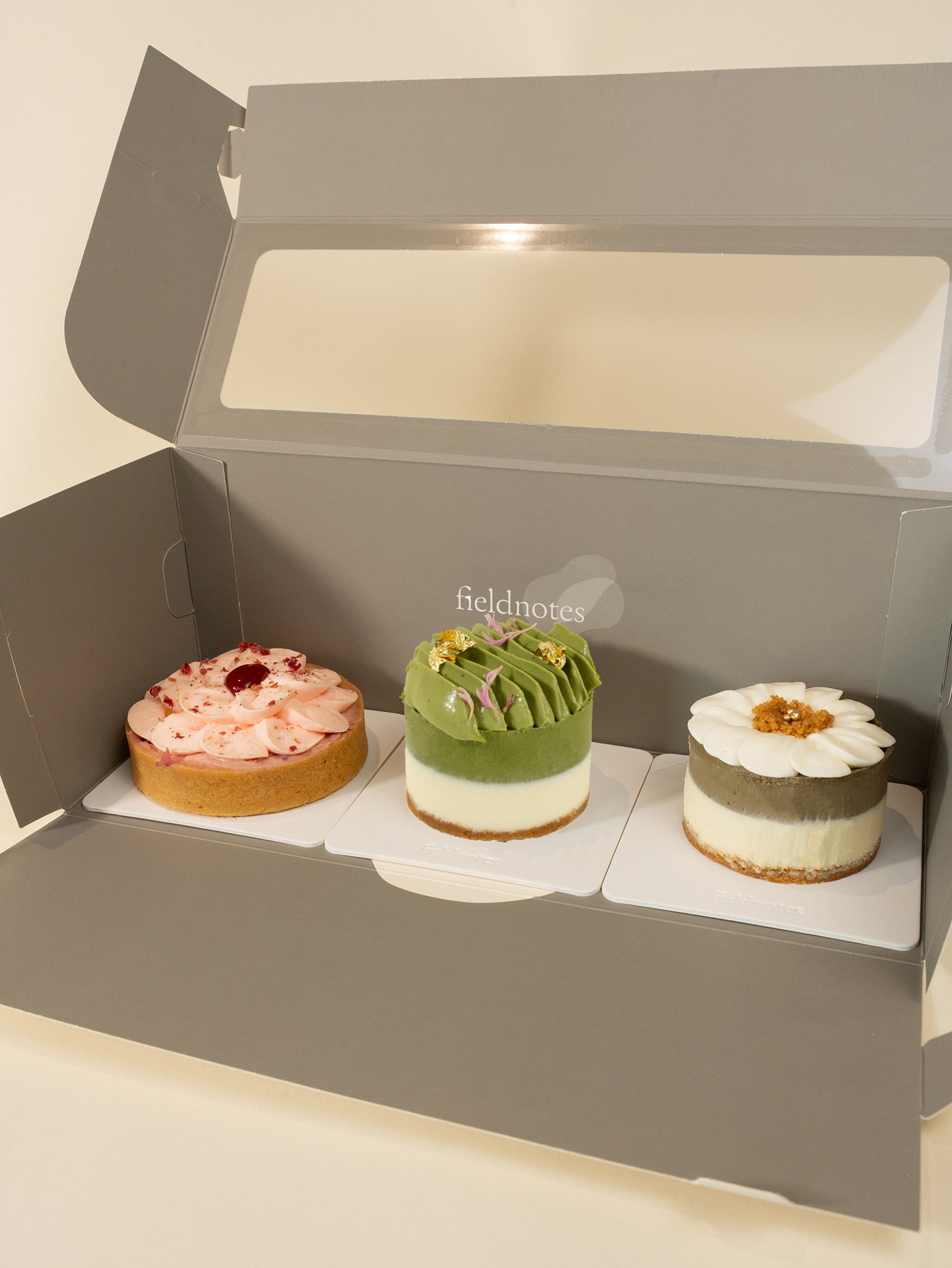
At Fieldnotes, cakes are custom made with quiet attention to proportion and season. Design begins with conversation. The cake is shaped to sit naturally within its setting, not dominate it. Soft buttercream finishes, balanced structure, and sensitivity to atmosphere define an aesthetic that feels calm rather than ornamental.
This approach reflects the broader evolution of wedding cake design, where meaning is carried through restraint, texture, and thoughtful detail rather than excess decoration.
Conclusion
From Roman grain to refined tiers, the history of wedding cakes reveals a steady transformation shaped by ritual, preservation, engineering, and taste. Forms changed. Meaning endured.
When the knife meets buttercream today, the gesture still echoes the sharing of grain centuries ago. Sponge yields softly. Guests gather. The cake stands not merely as decoration, but as continuation. At Fieldnotes, each custom-made piece carries that lineage forward, shaped with care for the moment it is meant to hold.
Discover how you can create your own timeless celebration with a custom wedding cake from Fieldnotes. Book a consultation today.